|
ராம பக்தி, சிறப்பிதழ்
Issue Date: 27-Mar-2007
1. எம்பிரான் நீ இராமனே:-
அந்த ஆவின் ஐந்தும் நீயே. அதாவது உன்னை தூய்மையின் இருக்கையாகப் பார்க்கிறேன். இம்மண்ணுலகும், வானுலகும் நீயே. வளமான கடலும் நீயே. அக்கடல் அளிக்கும் மேகமும், மேகம் பொழியும் மழையும், மழையால் பெருகும் ஆறும், ஆற்றால் வரும் வளமும், வளத்தால் வரும் செல்வமும், உயிர்களும் நீயே. அவை அனைத்தும் நீயேதான். ஏன் நானாக இயங்குவதும் நீதான். அது மட்டுமல்ல பெருமானே என்னுடைய பெருமானும் நீதான் இராமனே" என்கிறார். நல்ல பாடல். இதைக் காட்டிலும் இராமபக்தியை சிறக்க கூற முடியமா? பாடலைப் பாருங்கள்.
2. வில் அங்கம் வைத்தான் சரண்:-
தனது அழகிய கரத்திலே வில்லேந்தி நின்றானே இராமன் அவனை நீ சரண் அடை. கோதண்ட ராமனை சரண் அடை. கோ எனில் அரசன்; தண்டம் எனில் செய்த குற்றத்திக்கு அளிக்கப்படும் தண்டனை. கோதண்டம் அறத்தை காக்க ஏந்தியது. இராமன் அறத்தின் மூர்த்தி அல்லவா தர்மத்தை காப்பவன். ஆதலின் கோதண்டராமனை சரண் அடை. வனத்தில் தனியாக இருந்த சீதையைக கவர்ந்து சென்று இலங்கையில் சிறை வைத்த இராவணனை தண்டித்த வில்லேந்திய இராமனை சரண் அடை. முற்பிறப்புகளிலும், இப்பிறப்பிலும் செய்த தீ வினைகள் அகல துன்பங்கள் எல்லாம் அகல, நோய்கள் எல்லாம் மறைய வேண்டுமெனில் கோதண்டராமனை சரண் அடை. என்று பாடுகிறார் திருமால் அடியார்களில் முதல்வரான பொய்கை ஆழ்வார். இவர் ஆறாம் நூற்றாண்டில் வாழ்ந்தவர் என்று வரலாற்று ஆசிரியர் கூறுவர். இவரது பாடல் இராமபக்தியின் சிறப்பையும் முழுமுதற் தன்மையையும் காட்டுகிறது.
3. தோள் செய்யும் சிறப்பு:-
முதாலாழ்வார் மூவரில் பூதத்தாழ்வார் இராண்டாவதாகக் குறிக்கப்படுகிறார். இவரும் இராமபக்தியை பாடுகிறார். அப்பாடல் சுவையான செய்யுள் அலங்காரங்களுடன் காணப்படுகிறது. இராவணனுக்கு பத்து தலைகள். இருபது காரங்கள். இரு கால்கள். ஆதலின் அவை அனைத்தும் இற்று வீழ இராமன் அம்பு எய்தான். அவ்வாறு வீழ்த்திய இராமனது தாள்களை யார் வணங்குகிறார்களோ அவர்களது திருவடிகளை வணங்குவது எனது தோள்களுக்குச் சிறப்பு என்கிறார் ஆழ்வார்.
4. எய்தான் மான் மறியை:-
முதலாழ்வார் மூவரில் மூன்றாவதாக குறிக்கப்படுபவர் பேயாழ்வார். இவரும் இராமனைப் பாடுகிறார்.
எய்தான் மராமரம் ஏழும் இராமனாய்;
எய்தான் அம் மான் மறியை ஏந்திழைக்கு ஆய்; எய்ததுவும்
தென் இலங்கைக் கோன் வீழ; சென்று குறள் உரு ஆய்
முன் நிலம் கைக்கொண்டான், முயன்று.
5. The Origin of Rama Cult:-
It is not only in India but through out South East Asian countires like Cambodia where the Rāmāyaṇa of Vālmiki was so popular long before the Ālvārs that, the phrases of Vālmiki Rāmāyaṇa are found in the earliest inscription found 5th cent in Cambodia which repeats the words “tapas svādhyāya nirata”.
6. "அ":-
திருமழிசை ஆழவார் தாமது பாடல் ஒன்றில்
கிடந்து இருந்து நின்று இயங்கும் போது நின்ன பொற்கழல்
தொடர்ந்து மீள்வு இலாதது ஓர் தொடர்ச்சி நல்க வேண்டுமே
என்று பாடுகிறார். படுத்திருந்தாலும், அமர்ந்து இருந்தாலும், நின்று இருந்தாலும் சென்று கொண்டிருந்தாலும் உன்னுடைய பொற்கழல்களையே தொடர்ந்தும் அதனையே எப்பொழுதும் மீளாது தொடர்ந்து இருக்கும் நிலையே எனக்கு அருள வேண்டும். என்கிறார்.
7. The Concept of Hanumān:-
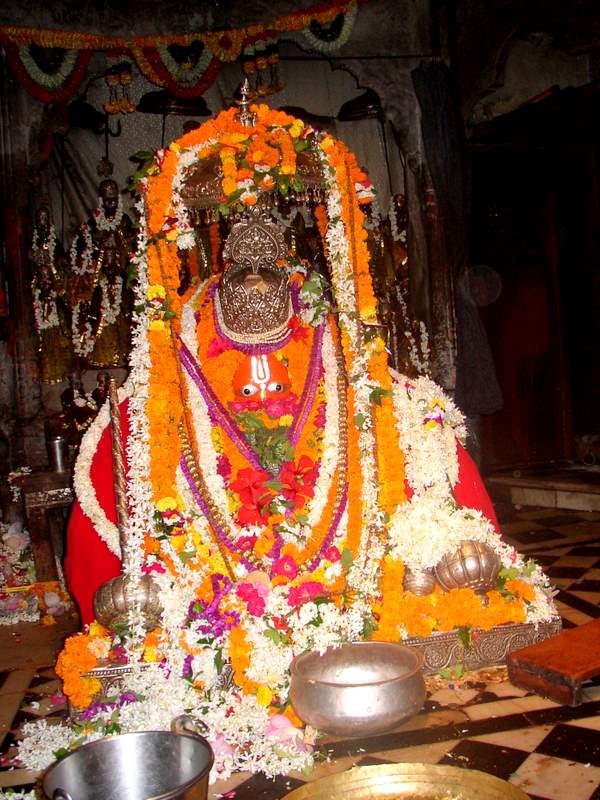
It appears that the Indian mind visualised The Perfect Man, not in the image of a man, but in the image of Hanumān, the monkey. Ever since sage Vālmiki introduced Hanumān in Rāmāyana, his image has grown through the centuries and is reflected predominantly in our sculptural representations. No wonder the Indian people yielded their hearts so thoroughly to him. He was great in every sense of the word. He performed great deeds of valour, of physical strength, which no other living creature of the time could have performed. Deeds which required the greatest strength, the greatest will power, fell to his lot and he performed them with admirable thoroughness of execution.
8. Rāma as embodiment of Dharma:-
The King is the leader and protector of the country. So the King is expected to cultivate the righteous conduct and rule his country and must possess righteous conduct. India is called Dharma Kṣetra, a land of dharma. Many Kings down the centuries declared that they followed Manu in their administration in their country. The Mahābhārata and Rāmāyaṇa are the two works that stood as sletting examples of these concepts with these texts were considered as the very embodiment of dharma in action. Rāma was only a living being but picturisque portrayal of all qualities as described by Manu’s description as Dharma.
|